
An AC electricity bill can rise suddenly during summer because the air conditioner runs longer in hotter or more humid weather. However, weather is only one possibility. Higher electricity rates, a longer billing cycle, lower thermostat settings, air leaks, dirty HVAC components, duct losses, or an equipment fault can produce the same result.
The first question is not simply, “How much is the bill?” It is, “Did electricity consumption increase, did the price per kilowatt-hour increase, or did both change?” Once those factors are separated, it becomes much easier to determine whether the increase is normal or whether the air conditioner needs attention.
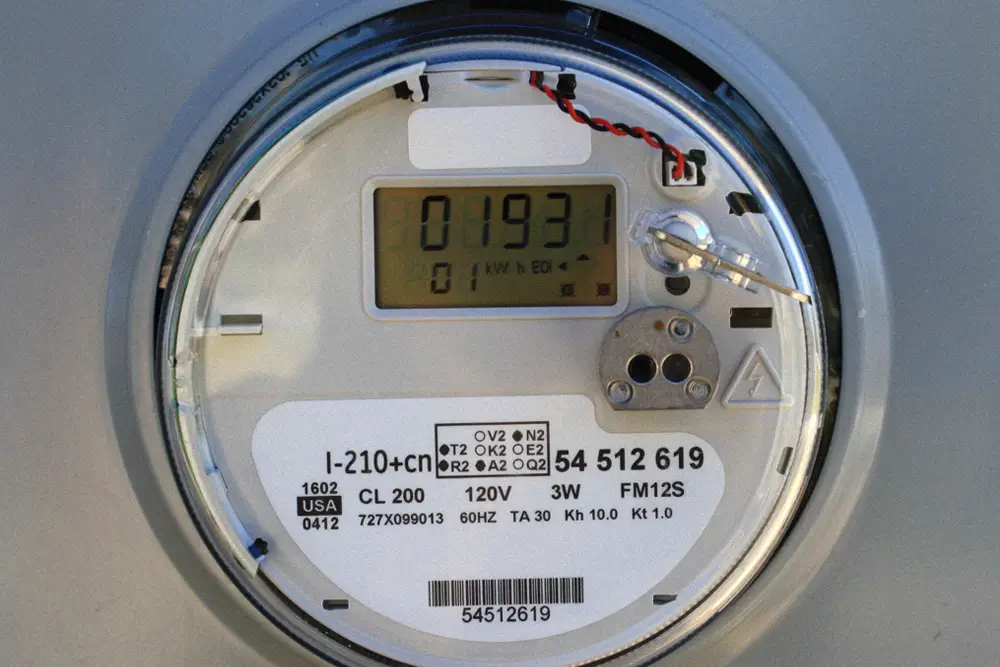
Begin With the Electricity Bill, Not the Air Conditioner
A high dollar amount does not automatically mean the AC suddenly became inefficient. A residential electricity bill generally reflects several separate variables:
- Electricity consumed in kilowatt-hours
- Price charged per kilowatt-hour
- Number of days in the billing cycle
- Fixed utility fees
- Seasonal or tiered rates
- Time-of-use charges, where applicable
- Taxes, adjustments, or previous balances
Compare the current bill with both the previous month and the same month last year. Check total kilowatt-hours and the number of billing days rather than comparing only the amount due.
For a fairer comparison, divide total kilowatt-hours by the number of billing days. If daily consumption rose sharply, investigate weather, household usage, and HVAC operation. If daily consumption stayed similar but the amount due increased, examine the rate structure and fees.
The U.S. Energy Information Administration identifies air conditioning as the largest residential use of electricity and notes that heating and cooling consumption changes with the weather. The same agency explains that electricity prices are often highest during summer, when cooling demand is high, although actual residential rate structures vary by utility and location.
Common Reasons Summer AC Bills Suddenly Rise
| Possible cause | Clues to look for | Recommended response |
|---|---|---|
| Hotter or more humid weather | Longer AC cycles during a heat wave; indoor comfort remains normal | Compare weather and daily usage with the same period last year |
| Electricity-rate change | Dollar amount rises while kilowatt-hours remain similar | Review price per kilowatt-hour, tiers, and peak-period charges |
| Thermostat or schedule change | Lower setting, longer occupied hours, or schedule override | Restore an efficient schedule that still maintains comfort |
| Restricted airflow | Dirty filter, weak register airflow, long cycles, or coil icing | Replace the correct filter and arrange service if airflow remains weak |
| Dirty coils or outdoor obstruction | Reduced cooling, extended runtime, debris around the outdoor unit | Clear safe exterior obstructions; have coils professionally evaluated |
| Duct or building-envelope losses | Hot rooms, attic heat, drafts, or weak delivery in distant rooms | Inspect ducts, insulation, air sealing, and window heat gain |
| HVAC mechanical or refrigerant fault | New noises, poor cooling, nonstop operation, ice, or repeated repairs | Schedule a complete professional diagnosis |
Source: Maintenance-related causes are consistent with the ENERGY STAR HVAC maintenance checklist, which identifies dirty coils, improper refrigerant levels, airflow problems, and dirty filters as conditions that can increase energy costs.
1. The AC Is Running Longer Because the Weather Changed
The same thermostat setting does not guarantee the same electricity consumption.
When outdoor temperature rises, the difference between the indoor target and outdoor conditions becomes greater. Heat enters through the roof, walls, windows, doors, and air leaks faster, so the AC must run longer to remove it.
Humidity adds another load. An air conditioner removes moisture as indoor air passes over the evaporator coil. On very humid days, the system may run longer even if the outdoor temperature is similar to the previous week.
A weather-driven increase is more likely when:
- The increase begins with a heat wave
- The system still reaches the thermostat setting
- Airflow and cooling feel normal
- There are no new noises, leaks, or ice
- Daily usage falls again when the weather becomes milder
Summer weather is a major source of electricity-bill variability. In its current outlook discussion, the EIA identifies temperature and humidity as primary drivers of residential summer electricity demand.
2. The Thermostat Setting or Household Schedule Changed
A few behavioral changes can add many hours of compressor operation over an entire billing period.
Common examples include:
- Setting the thermostat lower than last summer
- Leaving a temporary thermostat hold active
- Cooling the home all day when it was previously empty
- Extending cooling into rooms that were previously unused
- Frequently opening exterior doors
- Running heat-producing appliances during the hottest hours
- Hosting guests or having more people home during the day
Check the thermostat’s schedule, cooling setpoint, fan setting, and usage history if available. Also confirm that the displayed indoor temperature seems reasonable. A thermostat exposed to direct sunlight, a nearby lamp, or warm air from another room may not represent the home accurately.
Avoid extreme thermostat adjustments. Setting the thermostat far below the desired temperature generally does not make a typical single-stage air conditioner cool the home faster; it can simply keep the system running longer.
3. The Home Is Absorbing More Solar Heat
Windows can add a substantial cooling load when strong sunlight enters the home. West-facing glass is especially noticeable during late afternoon, when outdoor temperature and electricity demand may already be high.
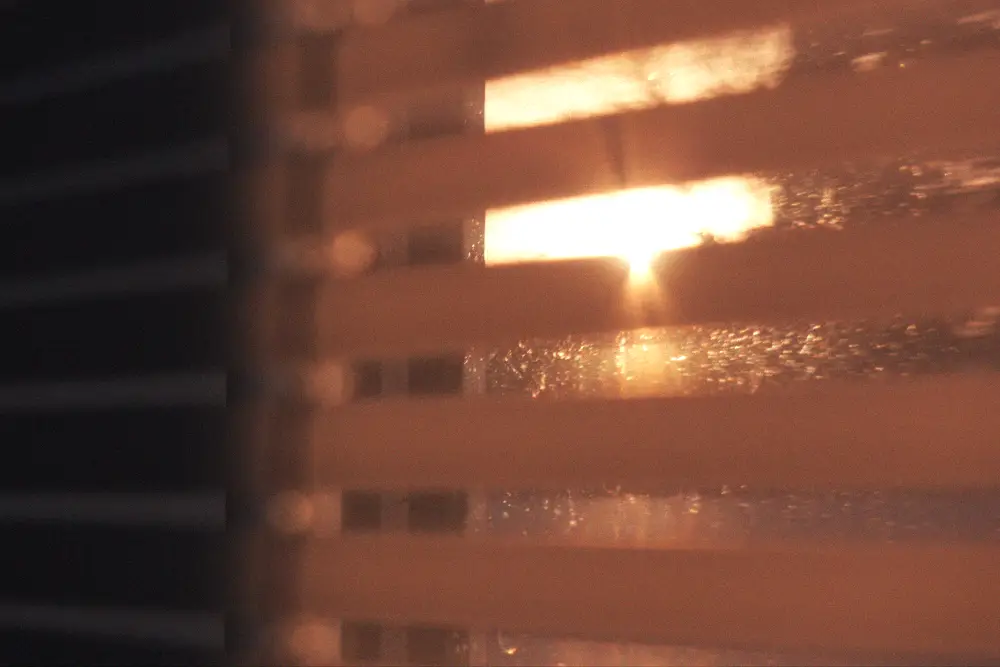
Consider whether curtains or shades were recently removed, left open longer, or replaced with a style that blocks less solar heat. Exterior shading, suitable window coverings, and properly selected window products can reduce heat gain without changing the HVAC system.
The U.S. Department of Energy reports that heat gain and heat loss through windows account for approximately 25%–30% of residential heating and cooling energy use. That figure is a national building-performance estimate, not a promise of savings for an individual home.
4. A Dirty Filter Is Reducing Airflow
A dirty filter makes the blower work against greater resistance and can reduce the amount of indoor air crossing the evaporator coil. The system may run longer while delivering less cooling.
Inspect the filter if it is safely accessible. Replace it when dirty using the correct:
- Length and width
- Thickness
- Airflow direction
- Filter type
- Performance rating approved for the system
Do not automatically install the most restrictive filter available. A filter that does not match the system’s airflow capability can contribute to comfort and performance problems even when it is new.
If airflow remains weak after the correct filter is installed, the problem could involve a dirty evaporator, blower component, duct restriction, closed damper, or zoning fault.
5. The Indoor or Outdoor Coil Is Dirty
Both HVAC coils must transfer heat effectively.
The indoor evaporator absorbs heat from the home. The outdoor condenser releases that heat outside. Dirt on either coil interferes with the process, increasing runtime and electricity consumption.
Homeowners can keep vegetation, leaves, and storage items away from the outdoor unit without opening its cabinet. Electrical disassembly, internal cleaning, fin repair, and chemical coil cleaning should be handled according to manufacturer instructions, typically by an HVAC professional.
ENERGY STAR’s maintenance guidance states that dirty evaporator and condenser coils reduce cooling ability and make equipment run longer, increasing energy costs.
6. Cooled Air Is Escaping Through Leaky Ducts
A central air conditioner may be producing cold air normally while failing to deliver enough of it to the occupied rooms.
Disconnected joints, torn flexible ductwork, poor insulation, or leakage in a hot attic can waste conditioned air before it reaches the registers. Return-side leaks can also draw hot, humid attic or crawl-space air into the system.
Possible clues include:
- One room becoming much warmer than the others
- Weak airflow from a particular register
- Visible separated or damaged duct sections
- Excessive dust near duct connections
- The system running normally but struggling to cool distant rooms
- A sudden bill increase following attic, ceiling, or renovation work
The Department of Energy says that, in a typical house, approximately 20%–30% of the air moving through the duct system can be lost through leaks, holes, and poorly connected ducts. Duct testing is more reliable than trying to locate every leak visually.
7. Insulation or Air-Sealing Problems Are Increasing the Load
The HVAC system must remove every unit of unwanted heat that enters the home. If attic insulation has shifted, an access hatch is unsealed, weatherstripping has failed, or new openings were made for wiring and plumbing, the cooling load can rise without an obvious AC failure.
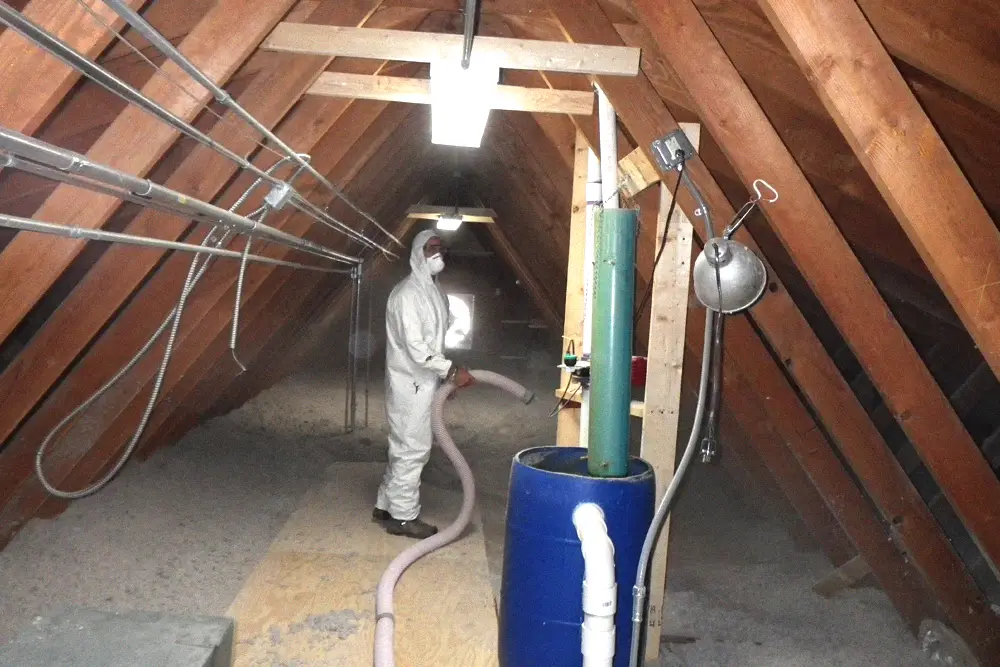
A home-energy assessment can identify envelope problems using inspection, pressure testing, and thermal imaging. This is particularly useful when the AC has been serviced and appears to operate correctly but the home still gains heat rapidly.
8. The Refrigerant Circuit Has a Problem
An air conditioner with an incorrect refrigerant charge, refrigerant leak, metering-device restriction, or other refrigeration-cycle fault may run longer while providing less cooling.
Possible warning signs include:
- The AC runs continuously but indoor temperature rises
- Supply air no longer feels as cool as before
- Ice appears on the evaporator or refrigerant tubing
- Cooling performance has declined gradually
- The system has required repeated refrigerant additions
- Hissing, bubbling, or oily residue appears near a component
- The electricity increase is accompanied by comfort problems
These signs are not proof that the system is low on refrigerant. Airflow restrictions, control faults, dirty coils, duct problems, and extreme weather can create similar symptoms. Refrigerant charge must be evaluated using equipment-specific procedures and appropriate operating measurements.
Under EPA Section 608 requirements, technicians performing stationary HVAC work that could release regulated refrigerant must hold the appropriate certification. Homeowners should not connect gauges, add refrigerant, open the refrigerant circuit, or substitute one refrigerant for another.
If professional diagnosis confirms that the specified refrigerant is required after the underlying fault is corrected, eligible purchasers can review Freon Shop’s refrigerant collection. A product listing does not establish equipment compatibility; technicians must follow the nameplate and manufacturer service documentation.
9. An Electrical or Mechanical Component Is Failing
A sudden increase can also occur when the system develops a component problem.
Examples include:
- A weak blower or condenser-fan motor
- A failing capacitor
- Loose or damaged electrical connections
- A compressor operating abnormally
- A contactor that is not switching correctly
- A thermostat or sensor fault
- Auxiliary electric heat operating unexpectedly on a heat-pump system
These conditions may be accompanied by humming, buzzing, short cycling, delayed starting, hot electrical odors, or circuit-breaker trips. Turn the equipment off and request service if there is burning odor, smoke, repeated breaker operation, damaged wiring, or another electrical-safety concern.
10. The AC Is Not the Only New Summer Load
Before blaming the cooling system, consider other electrical loads that may have changed:
- Pool or spa pumps
- Dehumidifiers
- Portable air conditioners
- Additional refrigerators or freezers
- Electric-vehicle charging
- Well or irrigation pumps
- Computers used for remote work
- More laundry, cooking, or hot-water use
- Guests or children staying home during the day
A utility’s hourly or daily usage portal can help identify when consumption rises. If the highest usage occurs overnight, for example, the cause may differ from an afternoon increase that closely tracks outdoor temperature.
A Practical High-Bill Investigation
Use this sequence to avoid unnecessary repairs.
| Step | What to check | What the result tells you |
|---|---|---|
| 1 | Kilowatt-hours, rate, fees, and billing days | Separates consumption changes from pricing changes |
| 2 | Daily utility data and outdoor weather | Shows whether use follows temperature and humidity |
| 3 | Thermostat setting, schedule, and household changes | Identifies longer operating hours or new electrical loads |
| 4 | Filter, registers, returns, and safe outdoor clearances | Finds basic airflow or obstruction problems |
| 5 | Cooling performance, cycle length, noises, water, and ice | Determines whether professional HVAC diagnosis is warranted |
This table is a troubleshooting sequence rather than a numerical specification; actual performance must be evaluated against the equipment design, home conditions, and manufacturer documentation.
When Is a Higher Summer Bill Probably Normal?
A moderate increase may be weather-related when:
- The billing period includes substantially hotter or more humid days
- The AC maintains the selected indoor temperature
- Airflow remains strong
- No ice, water leakage, or unusual noise appears
- Electricity use falls during milder weather
- The increase is proportional to longer cooling runtime
Even a properly working air conditioner consumes more electricity when it must operate for more hours.
When Does a High Bill Suggest an AC Problem?
Schedule service when the increase is accompanied by:
- Continuous operation without reaching the thermostat setting
- A sudden change in airflow
- Ice on the coil or refrigerant line
- Water around the indoor unit
- Short cycling
- New buzzing, grinding, or rattling sounds
- Hot or burning odors
- Frequent breaker trips
- Unusually warm supply air
- A history of refrigerant additions
- A sharp usage increase without a matching weather change
The combination of higher consumption and poorer comfort is usually more concerning than a higher bill alone.
Frequently Asked Questions
Why did my AC bill increase if the thermostat setting did not change?
Outdoor temperature, humidity, sunlight, air leakage, utility rates, and the number of billing days may all change while the thermostat setting stays the same. The AC may simply be running more hours to maintain that setting.
Can low refrigerant cause a high electricity bill?
Yes, an incorrect charge or refrigerant-circuit problem can reduce performance and extend runtime. However, a high bill does not prove that refrigerant is low. Airflow, coil condition, ductwork, operating temperatures, and other components must also be evaluated.
Should I turn the AC completely off when leaving home?
Not necessarily. The best strategy depends on climate, humidity, building construction, pets, sensitive belongings, and the type of HVAC system. A reasonable scheduled temperature adjustment is generally preferable to an extreme change that creates comfort or humidity problems.
Why is my AC running constantly during a heat wave?
Long cycles can be normal near the system’s design conditions, especially during extreme heat. It becomes more concerning when the home grows warmer, airflow weakens, ice develops, or the system continues running constantly after outdoor conditions moderate.
Can a ceiling fan lower the electricity bill?
A fan can improve comfort by moving air across people, allowing some occupants to use a less aggressive AC setting. It does not lower room temperature, so turn it off when the room is unoccupied.
How can I tell whether rates or usage caused the increase?
Compare kilowatt-hours, price per kilowatt-hour, billing days, and fixed charges with the previous bill and the same month last year. Your utility’s usage portal may provide daily or hourly data.
Will replacing an old AC automatically reduce the bill?
Not automatically. Equipment efficiency, sizing, installation quality, duct condition, controls, climate, and household behavior all affect actual consumption. Diagnose major performance problems and evaluate the home’s cooling load before selecting replacement equipment.
The Bottom Line
A sudden summer electricity-bill increase does not always mean the air conditioner is failing. Begin by separating consumption, electricity rates, and billing-period differences. Then compare usage with weather, thermostat schedules, household changes, and cooling performance.
Check the filter and visible airflow paths, reduce unnecessary solar heat, and watch for longer cycles, weak airflow, ice, water, unusual sounds, or declining comfort. When higher electricity use appears together with poor cooling, a qualified HVAC technician should evaluate airflow, coils, ducts, electrical components, controls, and the refrigerant circuit before recommending a repair.